
What Is the Oldest Car I Should Consider Buying
The age on the title doesn't tell you the real risk, the car's maintenance history and how insurers value it do.
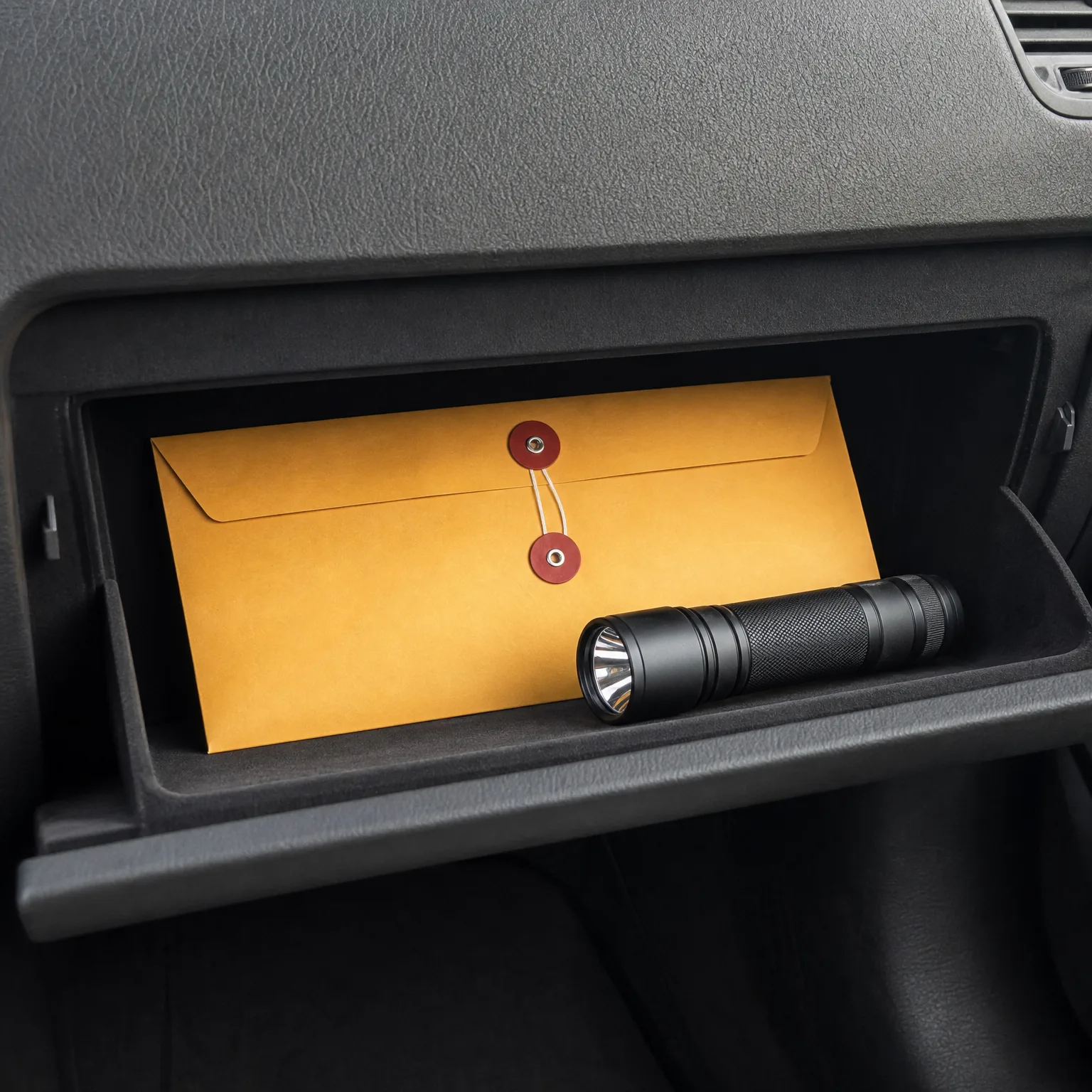
Age alone doesn't answer this, these points do
- Check the claims history A car with a documented, consistent service record is a safer bet than a newer car with gaps. Ask the seller for records before you ask how old it is.
- Know what it costs to insure Older cars often cost less to insure because their value is lower, but parts and repair costs can push rates back up. Get a quote on the specific car before you commit to it.
- Understand total loss risk If an older car is damaged, the insurer may total it instead of repairing it because repairs can cost more than the car is worth. Decide if you're comfortable with that outcome before you buy.
- Factor in safety features Older cars usually lack safety technology that newer cars have as standard. Weigh how much that matters for your daily driving and who rides with you.
- Plan for reliability costs An older car may need more frequent repairs, and that cost sits outside your insurance bill entirely. Budget for it separately so it doesn't surprise you.
Will an older car even qualify for full coverage?
Usually yes, most insurers will offer full coverage on an older car as long as it passes a basic inspection and has a clear title. What changes is whether full coverage makes financial sense for you.
As a car's value drops, the payout you'd receive in a total loss drops with it, while your premium for that coverage stays fairly steady. At some point the coverage costs more over time than the payout would be worth. That's a math problem you can work out for a specific car once you know its estimated value and get a quote, not something tied to a fixed age across every car or every state.
If you're financing the car, the lender will likely require full coverage regardless of age, so check your loan terms first.
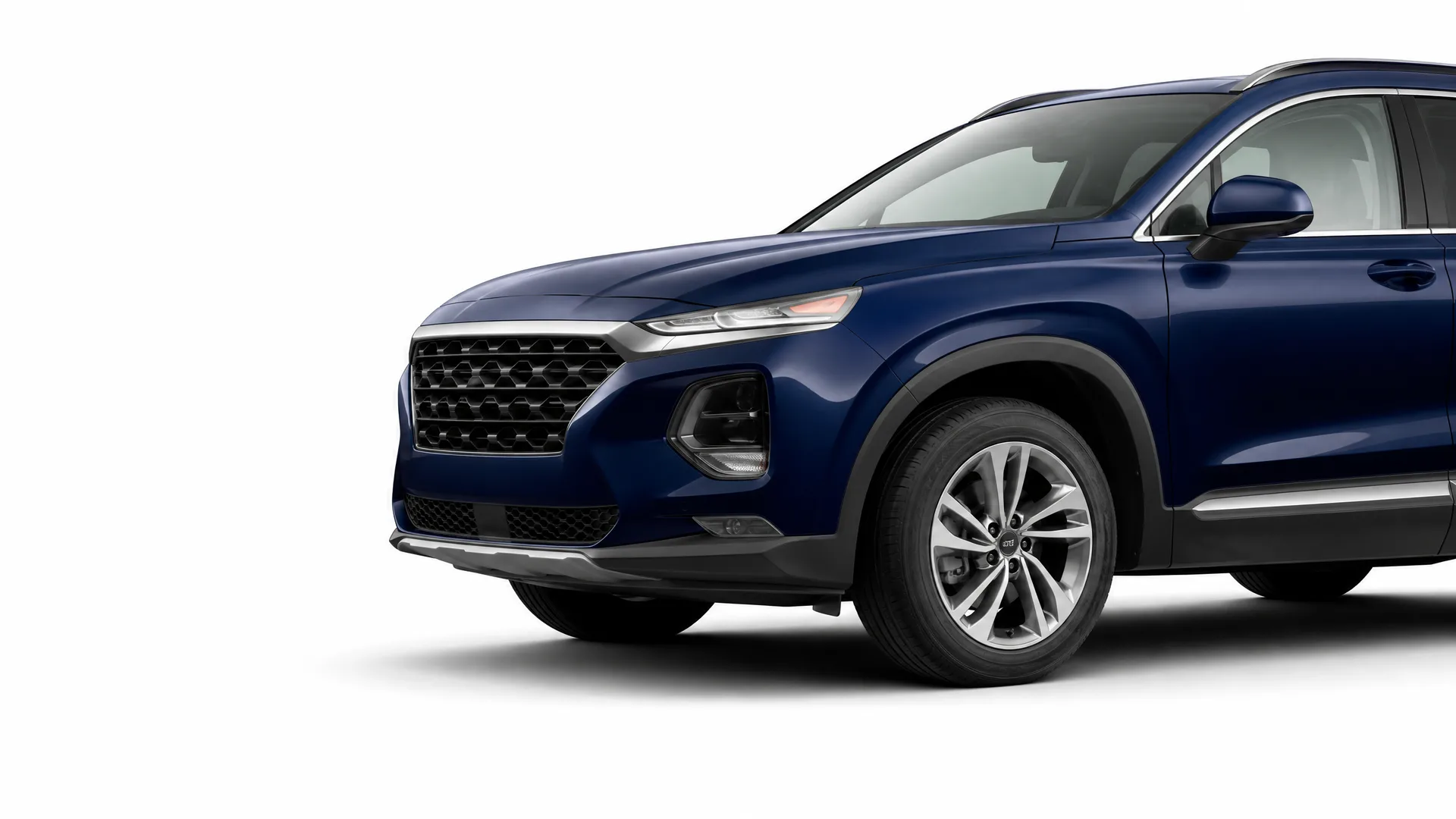
Stop asking how old is too old, and start asking what this specific car costs to insure and repair.
Get a quote on the actual car you're considering, so you can compare the real cost instead of guessing by age.

Do you check the specific car before deciding, or go by age alone
If you do
You get a quote and a mechanic's inspection on the actual car. You find out its real insurance cost, its repair history, and whether full coverage makes sense. You buy knowing the total cost, not just the sticker price, and you avoid surprises in the first year.
If you don't
You rule out a reliable car because of its age, or buy an unreliable one because it seemed young enough. You find out the real costs after you own it, when a repair bill or a denied claim teaches you what a quote would have shown you first.

Choosing between a ten year old sedan and a five year old one
You're comparing two cars. One is ten years old with full service records and a clean history, priced lower. The other is five years old with a thinner history and a higher price. Your instinct is to assume the newer one is the safer financial choice, since it fits the vague rule you've heard about buying newer cars.
You get quotes on both before deciding anything. The ten year old car comes back cheaper to insure since its value is lower, and a mechanic confirms the records match the car's actual condition. The five year old car quotes higher than expected because of its model's repair costs, despite being newer. You buy the older car, carry liability only since full coverage wouldn't pay out much relative to its cost, and set aside the difference in price for future repairs instead.