What to Do in a Fender Bender
Stop, check for injuries, exchange information, and report the accident to your insurer even if the damage looks small.
Small crashes still follow the same rules as big ones
Insurance only works if the insurer knows what happened. A fender bender feels minor, but the report you file and the information you gather at the scene becomes the record your insurer uses to decide who pays and how the claim affects your rates. Skipping that step doesn't make the event disappear, it just means you're guessing instead of knowing.
The other driver's insurer, your own insurer, and any witnesses all rely on the same basic facts. That's why exchanging names, insurance information, and photos matters more than arguing about fault on the spot. Fault gets sorted out later by the insurers, using evidence, not by what either driver says in the moment.
For you specifically, with a new license and a thin driving record, this first incident matters more than it would for someone with years of claims history already on file. How you handle it, calmly, accurately, and promptly, becomes part of the pattern insurers look at when they price your next renewal.
State rules vary on when police must be called, what counts as reportable damage, and how long you have to file. Check your state's threshold and your policy's reporting window so you don't miss a deadline that affects coverage.

A parking lot tap that could have gone two ways
You're backing out of a spot and tap a car behind you. No one is hurt, the damage is a small dent. You get out, check the other driver is fine, and you both agree it's minor. This is the moment where new drivers often make the costly choice, offering to pay cash to avoid involving insurance.
Instead, you exchange information anyway, take photos of both cars and the lot, and call your insurer that evening to report it even though you're not filing a claim yet. Three weeks later the other driver claims the damage was worse than it looked. Because you reported it promptly with photos and a timestamp, your insurer has your side on record and the claim resolves without dispute. Without that call, it would have been your word against theirs, months later, with nothing to back you up.

Whether you report the crash to your insurer right away
If you do
You create a timestamped record while details are fresh. If the other driver's story changes later or new damage is claimed, your insurer already has your account, your photos, and your timeline. Minor crashes handled this way rarely raise your rates much, since insurers value accurate reporting over silence.
If you don't
You're relying on an informal agreement that isn't binding. If the other driver later files a claim, changes their account, or new damage surfaces, you have no record to support your version. Your insurer may also deny coverage later if they learn you withheld a reportable accident.
Now that you know how to handle a minor accident, compare quotes to see how insurers price your record going forward.
What to actually do at the scene
- Check for injuries first Before anything else, make sure everyone is physically okay. Call for medical help if there's any doubt, even minor pain can turn out to be something more.
- Move to safety if possible If the cars are drivable and blocking traffic, move them to the shoulder or a nearby lot. Staying in a live lane risks a second collision.
- Exchange full information Get the other driver's name, phone number, insurance company, and policy number, and share yours. Don't rely on a verbal promise to handle it privately.
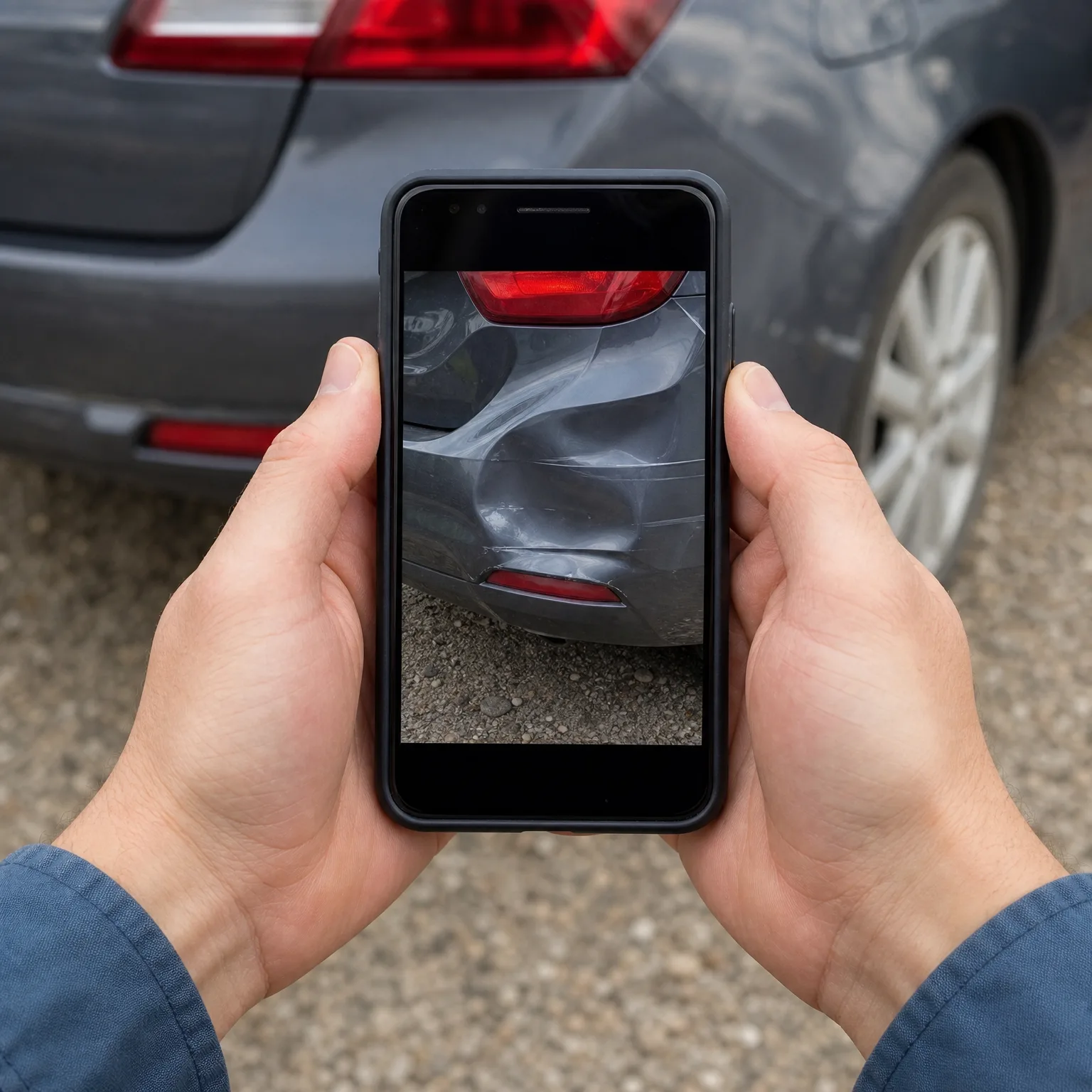
- Photograph everything Take pictures of both vehicles, the license plates, the road position, and any visible damage. These photos become your evidence if the story is disputed later.
- Report it to your insurer Call your insurer the same day, even if you don't plan to file a claim. A reported incident on record protects you if the other side's account changes.

Will reporting a minor accident raise my insurance rate?
It depends on your insurer and the details, but reporting alone usually isn't what raises rates, being found at fault for real damage is. Many insurers distinguish between a reported incident with no claim and a paid claim where your insurer had to cover costs. Check your policy or ask your insurer directly how they treat reported-but-not-claimed incidents.
For a new driver, the bigger risk is usually not reporting at all. If an unreported accident resurfaces later as a dispute or a claim from the other driver, you lose the advantage of having your own timely account on file, and that can cost you more than a small rate adjustment would. Building a clean, honest record, even one that includes a minor incident handled correctly, tends to serve you better over the next few years than trying to keep your record spotless by staying quiet.