What Type of Car Is Cheapest to Insure
The cheapest car to insure is a common, modestly priced model with a small engine, good safety ratings, and low repair costs.
Insurers price the car's risk to them, not its sticker price
An insurer is pricing two things when it quotes you, the chance something goes wrong and the cost if it does. A car that is cheap and common to repair, with parts that are easy to find and a body that doesn't tempt you to speed, scores well on both counts. That's why a practical sedan or small SUV usually beats a sports car or a brand new luxury model, even if they cost the same to buy.
Engine size matters because it's a rough stand in for how the car is likely to be driven and how much damage it can do in a crash. Safety ratings matter because they predict how expensive an injury claim is likely to be. Theft rates matter too, since a car that gets stolen often or is expensive to replace pushes the comprehensive portion of your premium up regardless of how carefully you drive.
As a new driver without a track record, the insurer is leaning more heavily on the car itself to judge the risk, since they don't have your driving history to go on yet. That means your choice of car carries more weight for you right now than it will later, once you've built a few years of clean claims behind you. Pick a car that keeps that early pricing as low as it can be.
This varies by insurer and by state, since each company weighs these factors differently and some states regulate how certain factors like age or inexperience can be used. Ask any insurer you're considering for a quote on the specific car before you buy, not after.
What actually lowers the price on a car
- Small, modest engine A smaller engine signals lower speed potential and lower risk to insurers. Choose a trim with the smallest engine option rather than the upgraded one.
- High safety ratings Strong crash test scores mean cheaper injury claims for the insurer. Check independent safety ratings before you buy, not just what the dealer tells you.
- Cheap, common parts A car that's easy and inexpensive to repair costs less to insure no matter who's driving it. Favor popular, widely sold models over rare or imported ones.
- Low theft rate Cars that are rarely stolen cost less to insure comprehensively. Ask an insurer or check public theft data for the specific model you're considering.
- Not the fastest trim The performance or sport version of a model almost always costs more to insure than the standard one. Stick with the base or mid trim if price matters to you.

Choosing a modest car over a flashier one
If you do
Your quotes come in noticeably lower from the start, since the car itself is doing some of the work your driving history can't yet do. You'll likely qualify for more insurers to choose from, since some won't touch high performance cars for new drivers at all.
If you don't
You'll pay more no matter how careful a driver you turn out to be, because the car's risk profile is fixed regardless of your habits. Some insurers may decline to cover certain high performance or luxury models for a driver with no history at all.
Once you've picked a practical car, compare quotes to see exactly how much that choice is saving you.
Will my rates drop once I have some driving history, even in the same car?
Yes. The car matters most right now because it's one of the only things the insurer has to go on. Once you build a few years of clean driving, your own record starts carrying more weight than the car does, and rates typically come down regardless of what you drive.
That doesn't mean the car stops mattering entirely. A cheap to insure car will keep costing you less than an expensive one for as long as you own it, even once your history is excellent. But the gap between a new driver's rate and an experienced driver's rate in the same car is usually larger than the gap between two different cars driven by the same experienced person.
So think of the car as what controls your price now, and your own record as what controls it later. Choosing well on both fronts gets you the lowest price over time.
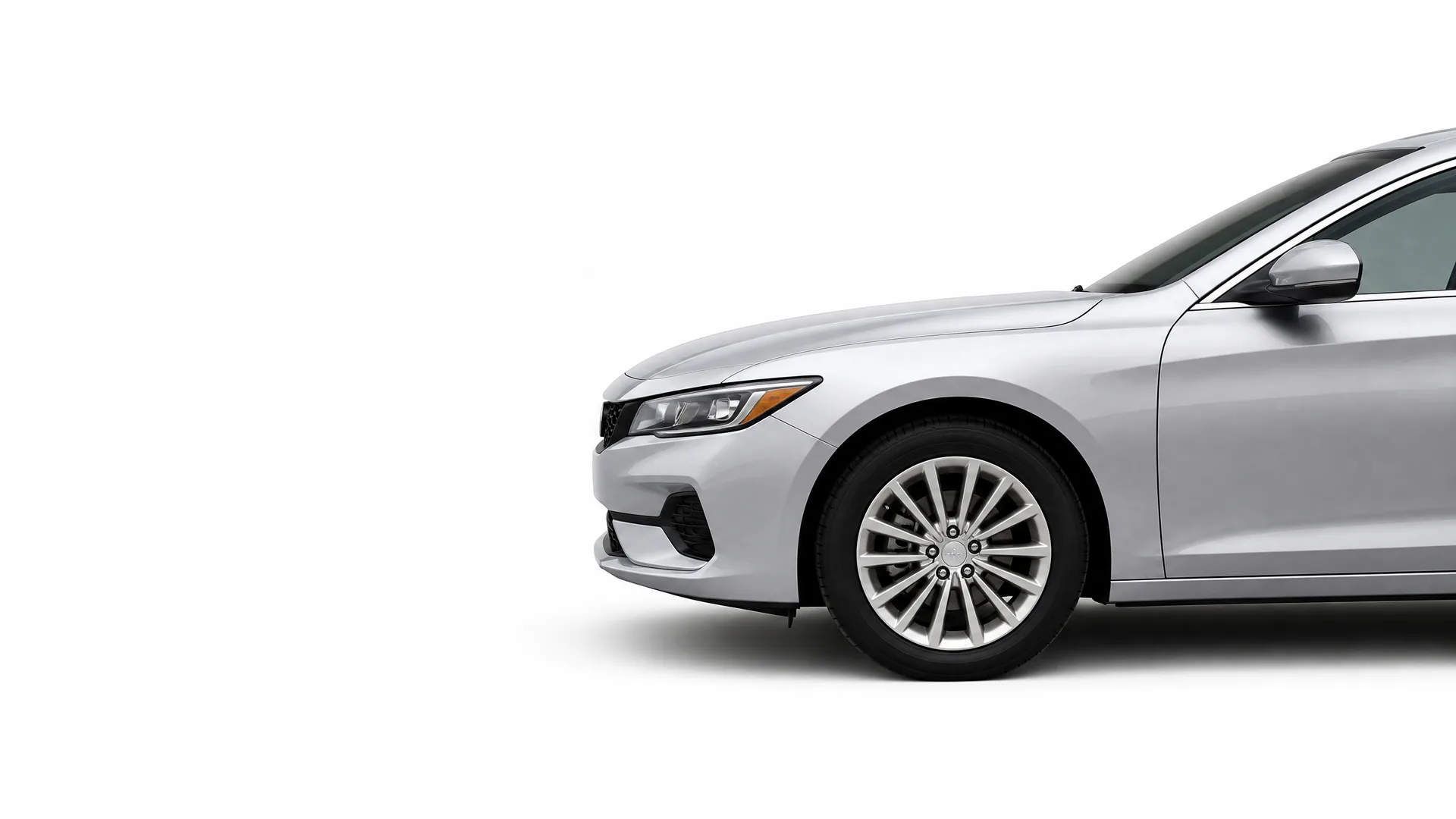
Right now the car you choose matters more to your price than almost anything about you.
Does adding me to my parent's car insure me cheaper than getting my own policy?
Often yes, since you benefit from their established driving history rather than starting with none of your own. But this varies by insurer and by the specific situation, so ask for quotes both ways. Check whether the car is titled in their name, since that affects who the primary policyholder is. If you'll be the main driver of a car you own, some insurers require you to be the primary policyholder regardless.
Do I need insurance while I'm still practicing and not licensed yet?
It depends on your state and whether you're driving a car that's already insured by someone else. Many states let a permit holder drive under the owner's existing policy as long as a licensed driver is present. Check your state's specific rule and confirm with the insurer, since some policies have exclusions. If you'll practice in your own car, you likely need your own coverage in place first.
How long until my new driver rates actually go down?
There's no fixed timeline, it depends on your insurer and how they weigh experience against a clean record. Many insurers reassess at each renewal, so a year or two of no claims and no violations often brings a noticeable drop. Ask your insurer directly what their criteria are. Switching insurers once you have some history built up is also worth comparing, since a new insurer may price you better than the one who first took on your inexperience.