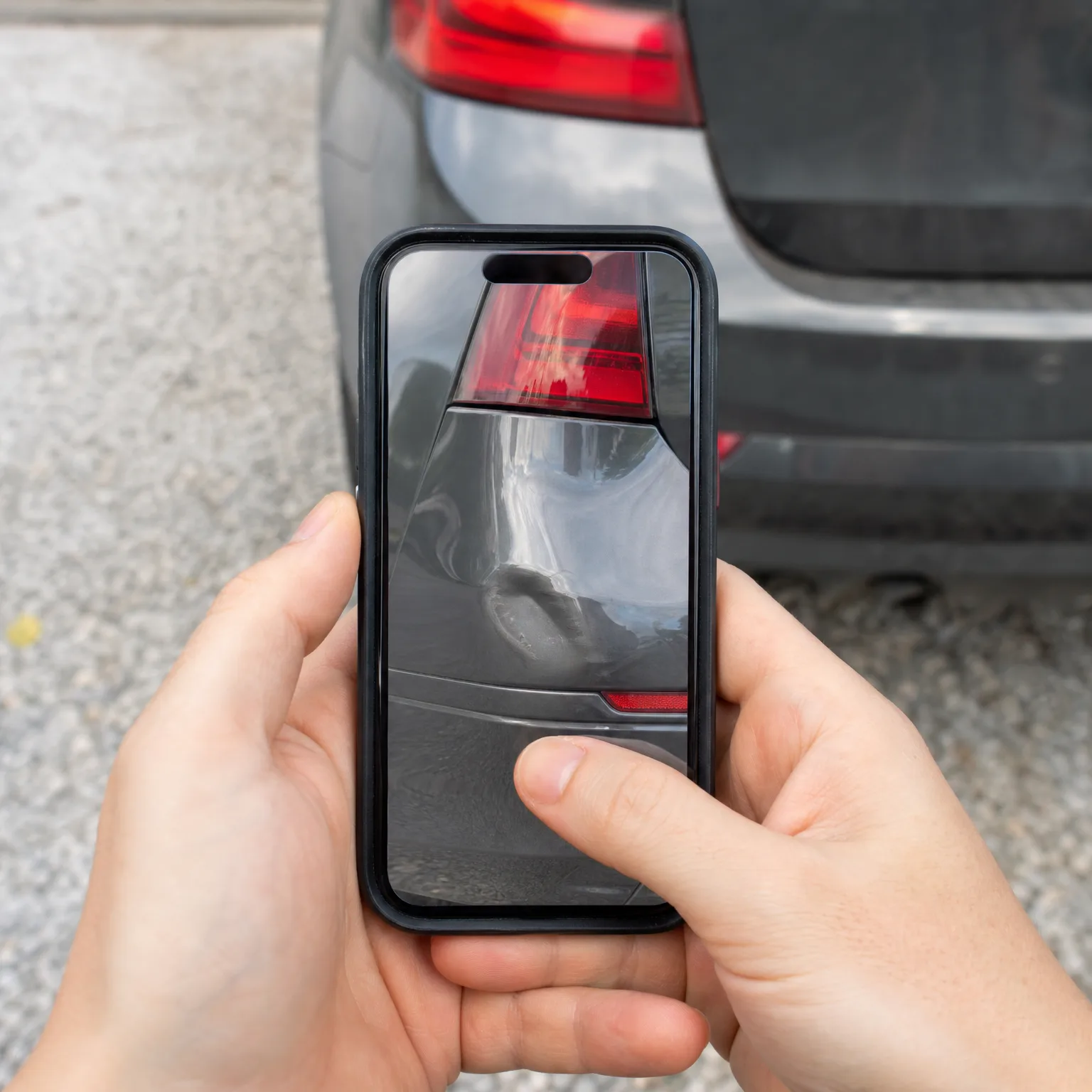
Why Do Car Insurance Quotes Change
Quotes change because each insurer weighs your limited driving history differently, and that history itself keeps changing as you drive.
Every insurer guesses risk differently, and that guess keeps shifting
When you have no driving history, insurers can't look at years of claims to judge you. Instead they lean harder on other things, like the car you choose, where you live, how you'll use the car, and who else might drive it. Since each insurer weighs those factors differently, the same facts about you produce different numbers depending on who you ask.
Your quote also changes over time because you're not a fixed case. Every month you drive without an accident is new information. Early on, insurers treat you cautiously because they have nothing to confirm you're careful. As months pass with no claims, that caution eases, and quotes from the same insurer often drop even if nothing else about your life changed.
Outside factors move quotes too. Insurers periodically adjust pricing based on claims trends across everyone they cover, not just you. If claims costs rise in your area or for your type of car, quotes can go up even though your own driving stayed the same. The reverse happens too.
Finally, small details you report differently between quotes, like annual mileage, where the car is parked, or who's listed as a driver, can shift the number more than people expect. None of this means the system is random. It means it's reacting to real variables, some about you and some about the wider pool of drivers you're grouped with. Check with each insurer what specifically changed if a quote moves and you want to understand why.
Will my quotes keep changing after I buy a policy?
Yes, and that's normal. Your premium can shift at renewal based on how you drove, whether you filed claims, and broader cost trends the insurer is seeing. For someone building a driving record, renewals are often where you see the clearest drop, since each clean period adds proof you're lower risk.
It can also rise if you move, change cars, add a driver, or if claims costs increase industry-wide. None of this is personal to you specifically. Ask your insurer what triggered any change at renewal, since most will tell you plainly, and that answer tells you whether it's something you influenced or something happening across the board.

A quote isn't a fixed price on you, it's one insurer's current guess, worth testing against others.
Compare quotes now so you can see how different insurers price your situation today, while your record is still new.
What actually moves your quote from one try to the next
- Time since you started driving Every clean month adds proof you're lower risk, so quotes often drop the longer you go without a claim. Re-check quotes every several months instead of assuming your first price is permanent.
- The car you're insuring Changing which car you plan to drive, or even its exact trim, can shift the quote noticeably. Get quotes for the specific car you'll actually drive, not a similar one.
- Who else is on the policy Adding or removing a household driver changes how the insurer sees overall risk for that car. Decide early who will regularly drive the car before you start comparing numbers.
- How and where you'll drive Mileage, commuting, and where the car is parked overnight all factor into the price. Answer these the same way across every quote so you're comparing fairly.
- Insurer-wide pricing shifts Insurers adjust pricing periodically based on claims trends across all their customers, not just you. If a quote moves without anything in your life changing, this is often why.
A quote that dropped three months later for no obvious reason
Someone got their license at thirty-two after years of not needing to drive in the city. Their first quote felt high, and they assumed it would stay that way until they'd built up a long history. They bought a policy anyway, used the car to commute carefully, and didn't think about it again until renewal came up.
At renewal, the price had dropped meaningfully. Nothing about their car or address had changed. What changed was that they now had several months of driving with no claims and no violations, which gave the insurer real evidence instead of just an estimate. They also checked a competing quote at that point, mostly out of curiosity, and found it was close enough that switching didn't make sense. The lesson they took wasn't about finding the lowest number immediately, but that the record they were building was already doing the work of lowering the price for them.