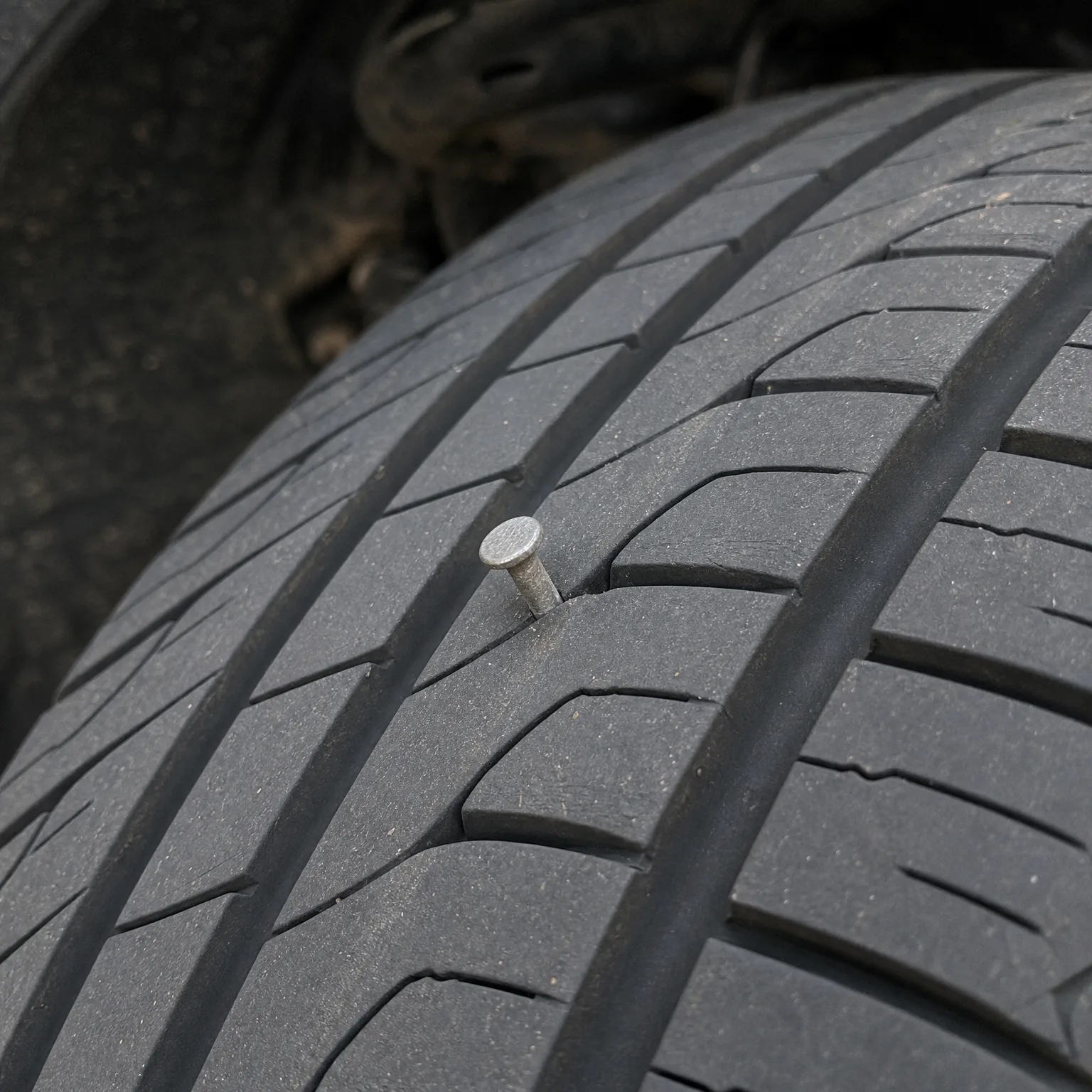
Why Would Someone Not Go Through Insurance After an Accident
People skip insurance after an accident to avoid a claim on their record, often paying out of pocket to keep future rates lower.
The reasoning comes down to one trade, cost now versus cost for years
When you file a claim, the insurer pays for the damage but your record now shows an accident. For a driver who just built a clean record, that one claim can erase months or years of being seen as low risk. So some people look at a small repair bill, compare it to what a claim might do to their rate over the next few years, and decide the repair is cheaper.
This only makes sense when the damage is minor and nobody is hurt. A cracked bumper or a scraped door often costs less to fix than the rate increase would cost over time. A bent frame, an injury, or anything involving another driver's car or medical bills is a different situation entirely, because those costs can run far higher than what you'd save.
There's also the other driver to think about. If you caused the accident, going without a claim means you're paying them directly, in cash, for their damage. That requires trust and usually a written agreement, because if they change their mind later and file a claim anyway, you could end up paying twice.
What counts as minor, how claims affect your rate, and whether an unreported accident can still be found later all depend on your state and your insurer. Some states require any accident over a certain damage amount to be reported regardless of whether you file a claim. Check your policy and your state's reporting rules before deciding.
Is it legal to not report an accident to your insurance company?
Not filing a claim is usually allowed. Insurance is optional to use, even though you pay for it. But not reporting is different from not filing, and some states require you to report any accident above a certain damage amount to the police regardless of whether you involve your insurer.
If another driver was involved and you handle it privately, you also need to check whether your state requires an accident report when there's injury or a certain level of damage. Skipping a required report can create legal trouble even if your insurance company never hears about it. Read your policy's cooperation clause too, since some require you to report every accident to them even if you don't file a claim.

Deciding whether to handle the damage yourself or file a claim
If you do
You pay for the repair yourself, in cash, and nothing goes on your record. Your rate stays where it is. You keep the paperwork and any agreement with the other driver in case they change their mind. Your insurer never knows it happened.
If you don't
You file a claim, the insurer pays for the damage, and the accident appears on your record. Your rate may rise at your next renewal. But you're protected if repair costs turn out higher than expected or if the other driver changes their story later.
Once you know how you'll handle this accident, compare quotes to see what each path actually costs you.
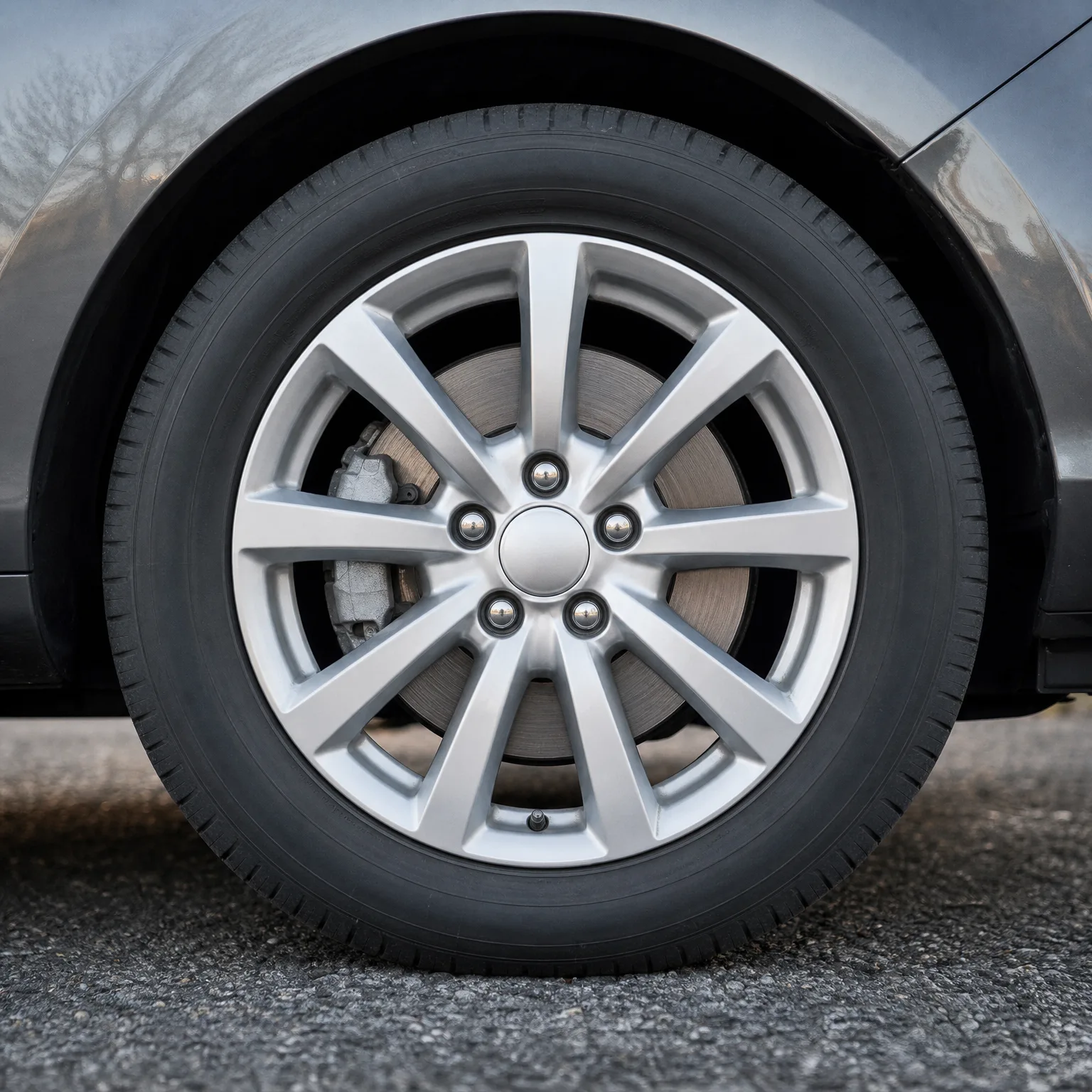
A fender bender in a parking lot, with no other driver involved
You're backing out of a parking space and clip a post, denting the rear bumper. Nobody else is involved, nobody is hurt, and the damage looks like a few hundred dollars of bodywork. You're a new driver still building your record, so you call a local shop first and get a repair estimate before deciding anything.
The estimate comes back lower than you expected, and you know a claim on your young record could raise your rate for several years. You pay the shop directly, keep the receipt, and never call your insurer. Nothing shows up on your record. A year later, your rate is still based on a clean history, and the decision turned out to be the cheaper path. Had the damage been worse, or had it involved someone else's car, the math would have gone the other way.

The accident itself matters less than whether it becomes a claim, so decide that deliberately, not by default.
Will not filing a claim still show up on my driving record?
No, a driving record tracks tickets and violations, not insurance claims. An unreported accident with no citation typically won't appear there. But your insurer may still find out through a claims history database if the other driver files later, or if you switch insurers and they ask about past accidents directly. Check your state's record-keeping rules and be honest on applications, since misrepresenting history can void coverage.
Can the other driver file a claim later even if we agreed not to?
Yes, a verbal or even written agreement doesn't stop someone from filing later, especially if their damage turns out worse than first thought. This is why people who handle accidents privately get the agreement in writing, take photos, and sometimes get the payment confirmed by both parties. Check whether your state treats such agreements as binding, since enforceability varies.
How long does an accident stay on my insurance record?
It depends on your insurer and your state, often several years, but check your policy or ask directly since there's no universal number. What matters more is how your insurer weighs that accident against your overall history as you build more years of clean driving. A single early accident often matters less over time as more clean years get added behind it.