Will Car Insurance Pay Out if It Was My Fault
Yes, your insurance pays when you're at fault, that's the main reason liability and collision coverage exist in the first place.
Insurance exists specifically to cover the crashes you cause
Liability coverage is built for exactly this moment. You carry it so that when you cause damage to someone else's car or injure someone, your insurer pays them on your behalf instead of you paying out of your own pocket. That's not a fallback feature, it's the core reason the coverage exists.
If you also want your own car fixed after a crash you caused, that's a separate piece called collision coverage. Liability only pays the other person. Collision pays you. If you're new to driving and shopping for a policy, this distinction matters because some drivers assume one covers both, then are surprised when it doesn't.
Your insurer will still investigate the crash before paying anything. They want to confirm what happened, whether your policy was active, and whether you followed the rules in your contract, things like reporting the crash promptly and not admitting fault to the other driver in a way that complicates the claim. As long as the policy was valid and in force, fault alone doesn't stop payment.
What varies is how your insurer treats you afterward. Some states and insurers use a strict fault system, others spread responsibility differently depending on the details of the crash. Rate increases after an at-fault claim also vary by insurer and by state, so check your own policy documents or ask your insurer directly how an at-fault claim would affect your premium going forward.
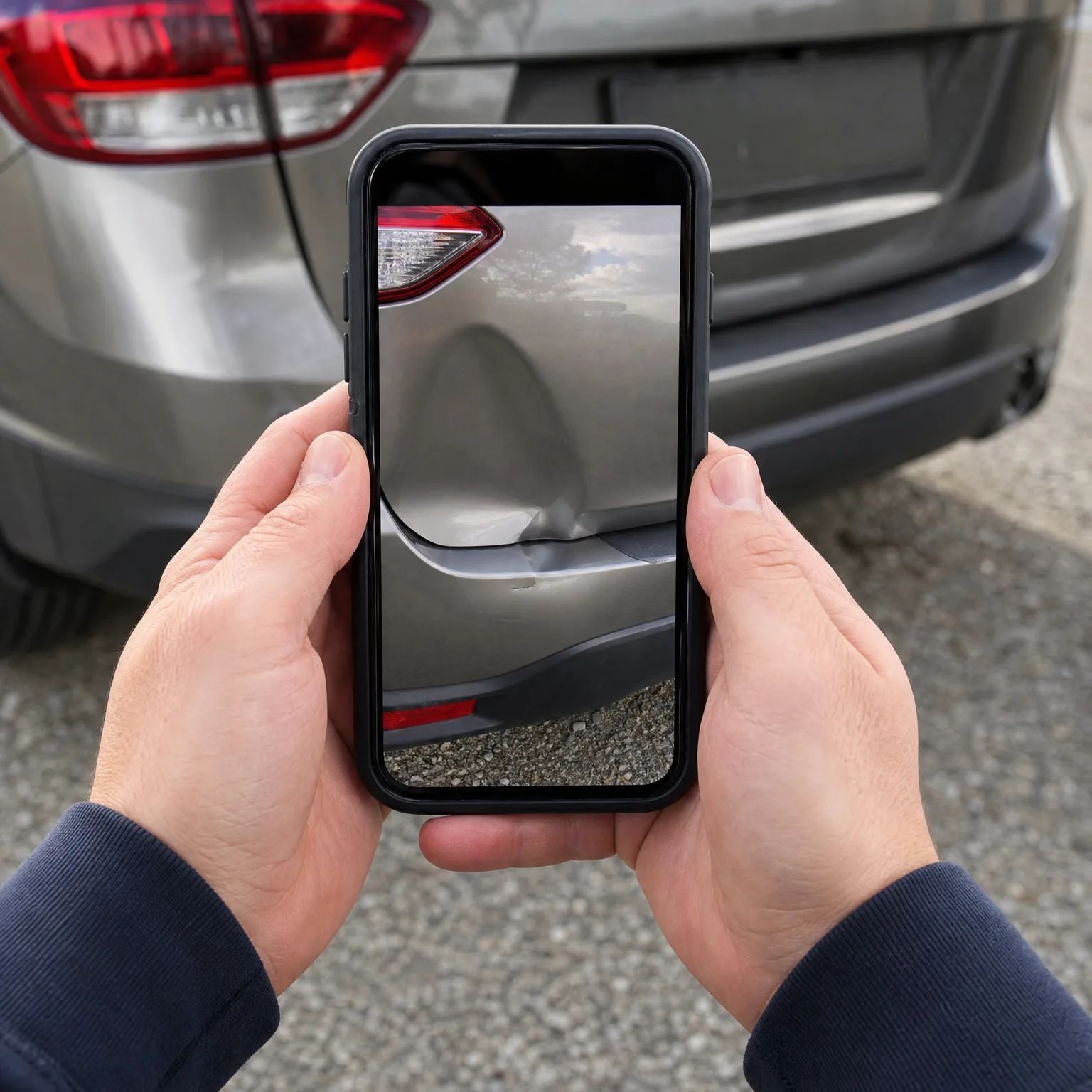
What determines whether your claim gets paid
- Active policy Your coverage has to be in force when the crash happens. Confirm your payments are current and your policy hasn't lapsed before you need it.
- Right coverage type Liability pays the other driver, collision pays for your own car. Check your policy to see which ones you actually carry.
- Prompt reporting Most policies require you to report a crash quickly. Call your insurer the same day if you can, delays can complicate your claim.
- Accurate statements What you tell your insurer and the other driver needs to match the facts. Stick to describing what happened, not who's to blame.
- Policy limits Your liability coverage pays only up to the limit you chose. Check your declarations page so you know what that limit is.
Will my rates go up after an at-fault claim?
Probably, but how much and for how long depends on your insurer and your state, so this is something to check directly with your own policy rather than assume.
For a newer driver, an at-fault claim lands differently than it would for someone with years of clean history behind them. You don't have a long track record to balance it out, so the claim can carry more weight in how your insurer prices your next renewal. Some insurers offer forgiveness for a first at-fault claim, others don't, and this varies enough that it's worth asking directly when you're shopping for a policy. If cost after a claim worries you, ask any insurer you're considering how they handle a first at-fault accident before you buy, not after.
Now you know your coverage pays when you're at fault, compare quotes for limits that actually fit you.

Reporting the crash to your insurer right away
If you do
Your insurer opens a claim quickly, investigates while details are fresh, and pays what your policy covers. You keep a clear record showing you followed the rules, which matters if there's ever a dispute about what happened or when.
If you don't
Waiting too long can violate your policy's reporting requirements. Your insurer may question your account of events, delay the payout, or in some cases deny the claim entirely for not reporting it within the time your contract expects.
Do I need a police report if the accident was my fault?
Not always required by your insurer, but check your state's rules since some require a report for any crash above a certain severity. Even when it's not required, a police report gives an official record of what happened, which helps your claim move faster and reduces disputes about the details later.
Can the other driver sue me even if my insurance pays?
Yes, if damages exceed your liability limits, the other driver can pursue you directly for the remaining amount. This is why choosing higher liability limits matters, especially as a newer driver still building savings. Check your limits now and raise them if a serious crash could cost more than your policy covers.
Should I pay out of pocket instead of filing a claim?
Sometimes, if the damage is minor and filing would raise your rate more than the repair costs. Compare the repair estimate against what a claim might do to your premium over time, and check with your insurer about how they'd treat that specific claim before deciding either way.
You're priced for a missing history, not judged for it, and a clean record is what changes that fastest.