What to Do if You Hit a Parked Car
Stop, try to find the owner, leave your name and insurance details in writing, and report it to your insurer even if the damage looks small.
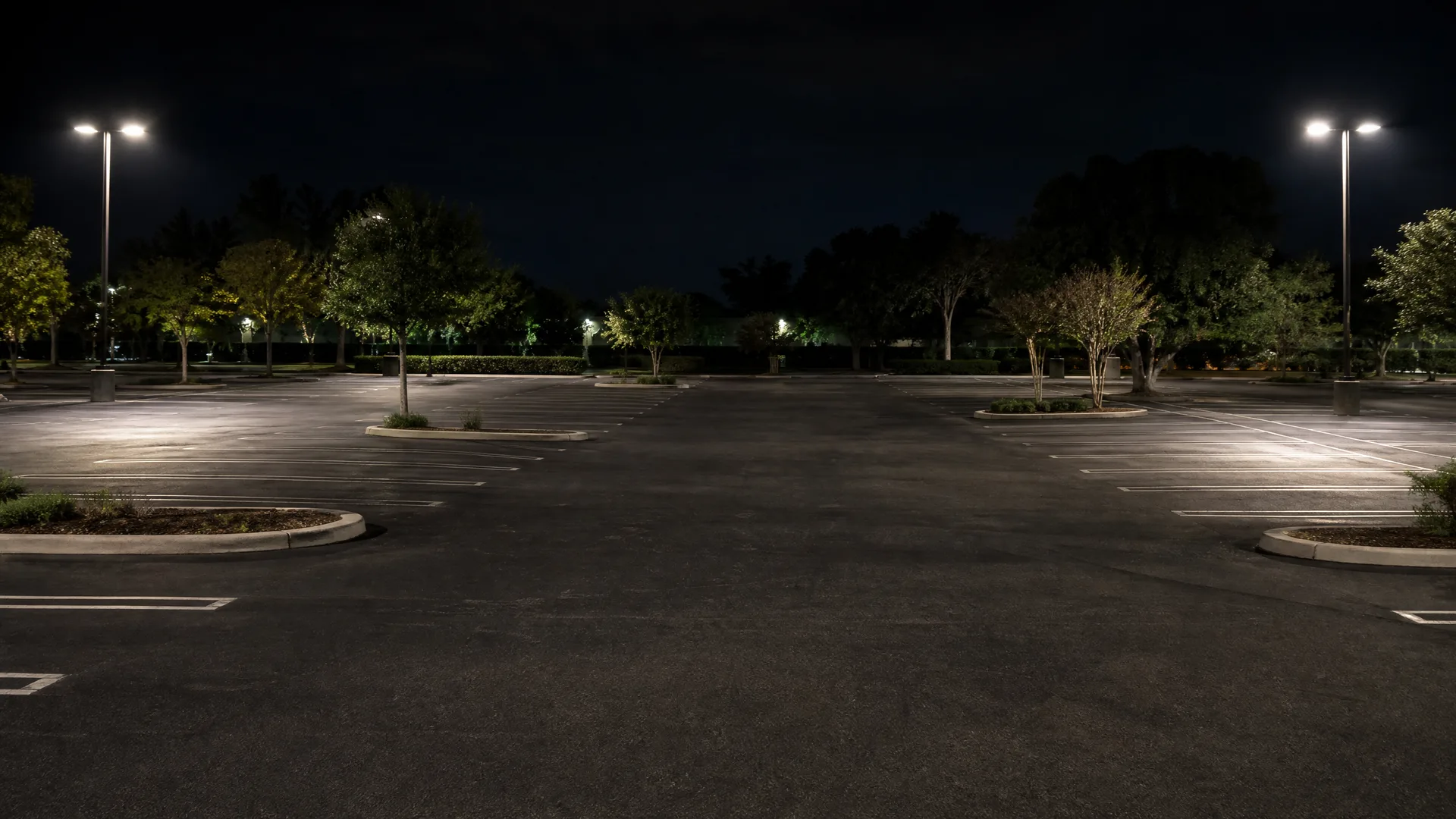
Backing into a car in a grocery store lot
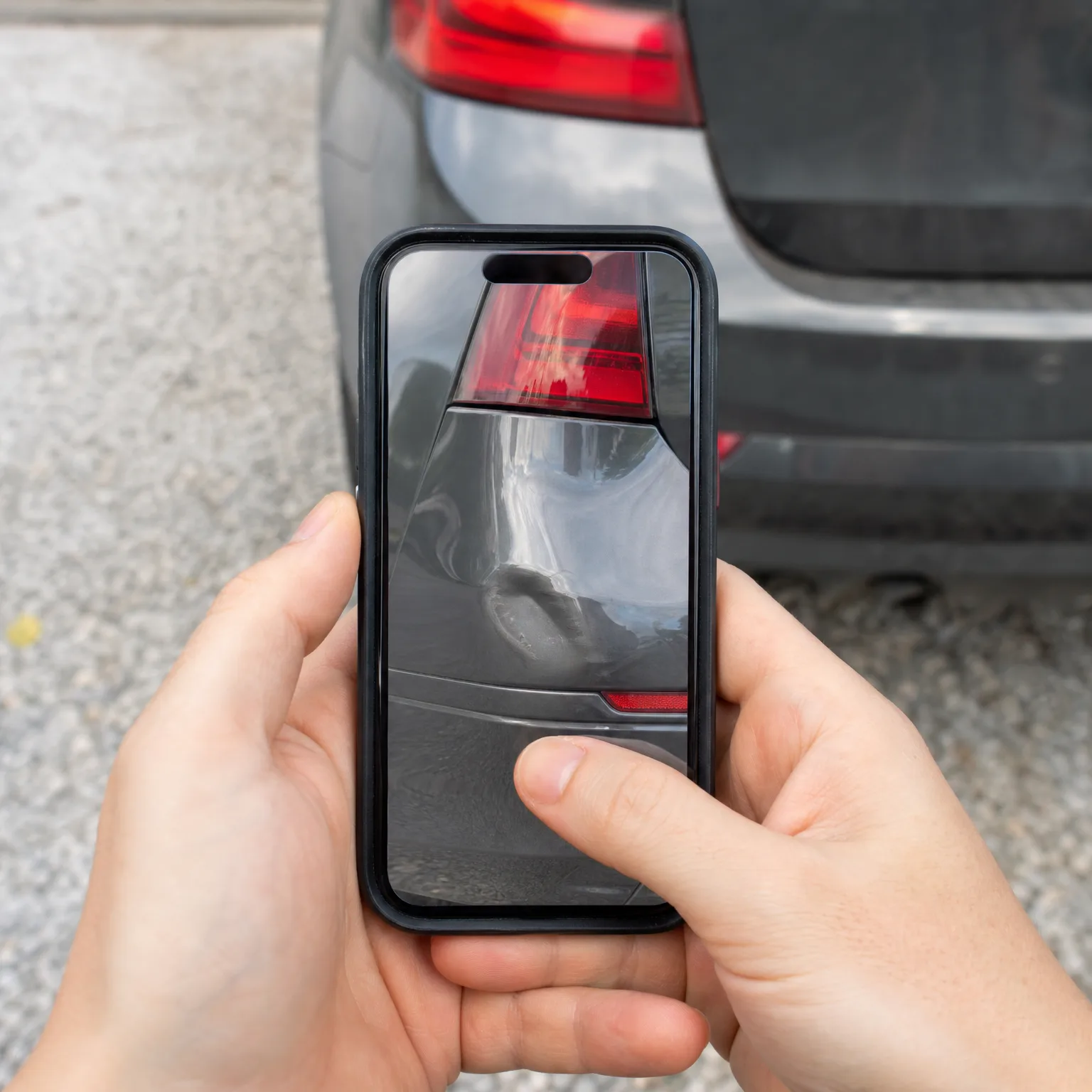
You're backing out of a tight parking space in a crowded lot and you feel a bump. You get out and see you've dented the rear bumper of the car parked behind you, and nobody is around. You wait a few minutes to see if the owner comes back, then you write your name, phone number and insurance information on a piece of paper and tuck it under their wiper, along with a note describing what happened.
When you get home, you call your insurer the same day and describe the accident, even though no one asked you to. A few days later the car's owner calls the number you left, and because you already reported it, the claim moves quickly and there's no confusion about what happened or who was responsible. Because you have little driving history yet, showing that you handled the situation honestly and promptly matters more than it might for someone with years on their record.
Will hitting a parked car raise my rates if I'm a new driver?
It can, and as a newer driver you're likely to feel it more than someone with a long clean record behind them. Insurers lean more heavily on your record early on because they don't have much else to judge you by, so a single at-fault claim can carry more weight than it would later.
That said, how much it affects you depends on your insurer's rules and sometimes on your state, so it's worth asking your agent directly how this particular claim will factor into your next renewal. Some insurers forgive a first small claim, especially if you've held a policy with them for a while, so it's worth asking before you assume the worst.

Knowing how this kind of claim is handled, compare quotes to see how insurers treat a newer driver's record.
Whether you report a minor hit to your insurer
If you do
You call your insurer and describe what happened, even though the damage looked small. They open a file, note that you reported it promptly and honestly, and tell you what to expect if the other owner files a claim. If nothing comes of it, the report sits quietly and doesn't hurt you.
If you don't
You decide it's too minor to mention and say nothing. Weeks later the owner identifies your car from a security camera and files a claim, and your insurer finds out you never reported it. Now the claim looks like concealment instead of an honest accident, which can hurt you worse than the dent itself.
What to actually do at the scene and after
- Stay and look for the owner Leaving immediately can count as a hit and run in most places, even for a small dent. Wait a few minutes and check nearby stores or buildings for the owner.
- Leave a written note If no one shows up, leave your name, phone number and insurance information in writing, tucked somewhere it won't blow away. A note shows you tried to do the right thing.
- Take photos immediately Photograph both vehicles, the damage, and the surrounding area before you leave. This protects you if the story gets disputed later.
- Report it to your insurer Call your insurer the same day, even if the damage looks minor. Reporting early keeps your account honest and avoids the appearance of hiding something.
- Ask about fault and coverage Ask your agent how this claim will likely affect your record given how new your driving history is. Rules vary by insurer, so get the answer in writing if you can.
Why insurers care so much about what you do in the moment
Insurance runs on trust and paperwork more than on the size of a dent. When you leave a note and call your insurer right away, you're creating a record that shows you acted responsibly, and that record matters because insurers can't watch what actually happened. They only see what gets reported, and when it gets reported, and by whom.
For a driver who doesn't have years of history yet, this moment carries extra weight. With an established driver, one small claim sits alongside years of clean driving, so it barely moves the needle. With a newer driver, there isn't much else in the file, so how you handle this single incident becomes a bigger part of how the insurer sees you going forward.
Leaving the scene without trying to find the owner is treated differently almost everywhere, often as a separate and more serious violation than the collision itself. The specific penalties and how long they stay on your record depend on your state, so if you're ever unsure whether you did enough to locate the owner, check your state's exact requirement rather than guessing.
What happens next also depends on your insurer's particular policies on first claims and forgiveness, which is worth asking about before anything happens, not after. Some will overlook a single minor claim if you've been a customer for some time or if the damage was small, while others weigh every claim the same regardless of circumstance. Knowing which kind of insurer you have changes how much you should worry about a dent like this.